
New In
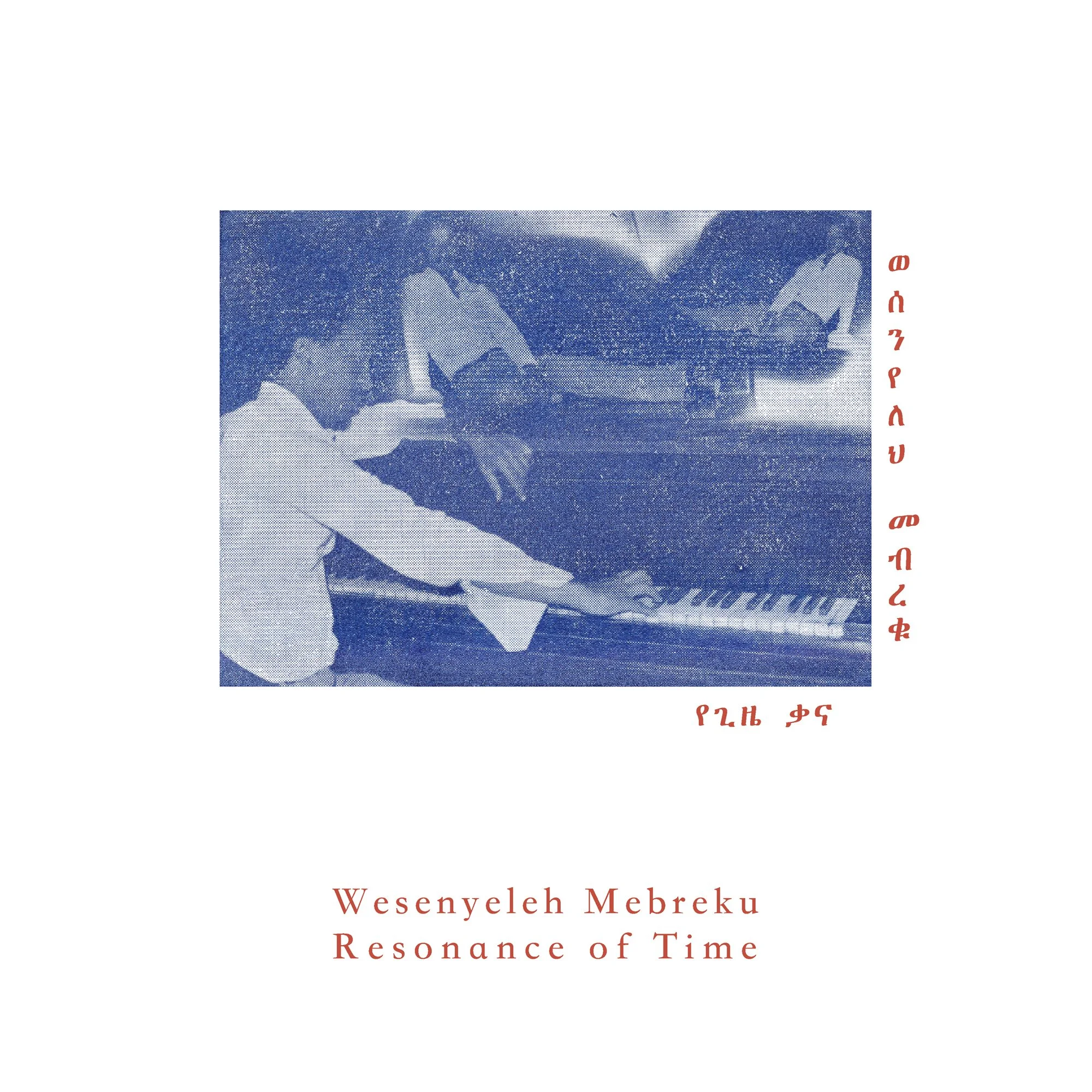
Electronic lullabies and folk songs from Ethiopia! A landmark recording from Ethiopia’s vibrant cassette era of the 1980s, Resonance of Time features pioneering composer Wesenyeleh Mebreku reimagining Ethiopian folk melodies through the humble circuitry of an early Casiotone keyboard.
Historically, the works featured on Resonance of Time (የጊዜ ቃና Yegizie Kana) stand as quiet documents of Ethiopian musical memory. Many of the original songs included in this release emerged during important moments in Ethiopian history when music carried the collective emotion of the nation - love, loss, resistance, dignity, and hope. By arranging these pieces from Ethiopia’s musical heritage instrumentally, Wesenyeleh Mebreku aimed to preserve their essence while protecting them from being confined to a single era or performance style. In doing so, his preservation of Ethiopia’s musical heritage became a contribution to his country’s musical legacy itself, as Resonance of Time serves as an important musical milestone of this composer’s innovative recordings and musical developments in the prolific era of Ethiopia’s 1980s cassette tape culture.
On Resonance of Time, Wesenyeleh made use of the first Casio electronic keyboard - the Casiotone CT-201 - to arrange and perform Ethiopian folk songs in his own unique style. Implementing the soulful, lo-fi character of the keyboard, Wesenyeleh’s interpretations of these works take on a life of their own. Charming analog tones interpret swirling sounds of organ and piano in kignit modality to the beat of a nostalgic rhythm machine while twinkling synthesizer sounds carry the melodies drifting out of time. The recordings reflect a watershed moment in Ethiopian musical history - when traditional melodies started being interpreted on electronic keyboards, and the advent of cassette tape recording allowed for music to be transmitted more accessibly than centuries-old oral traditions. During this time, Ethiopian musical modes were syncretized with new technology and budding musical experimentation, and Wesenyeleh’s interpretations on Resonance of Time are a landmark recording of this era, following in the tradition of reflecting upon and re-interpreting historical Ethiopian music for a new generation.
Featured on the release are timeless Amharic folk songs and lullabies, Tigrinya love songs, Gurage and Oromifa popular songs, and even works closely associated with performers from Ethiopia’s 1970s popular music era such as “Tiz Alegne Yetintu” (ትዝ አለኝ የጥንቱ) which was famously performed by Tilahun Gessesse. Each piece, thoughtfully chosen by Wesenyeleh, is beautifully transformed into instrumental music of his own style - allowing these worlds of song to echo into the future while they are synthesized with the electronic innovations of the 1980s and Wesenyeleh’s own musical history.
Wesenyeleh says this about his musical approach - ”Instrumental music, for me, is a space of reflection. Without words, the listener is invited to remember, imagine, and feel freely. In Resonance of Time, I hear my own musical philosophy: respect for Ethiopian kignit, careful dialogue with Western harmony, and a deep trust in melody as a storyteller.”
Each piece performed on Resonance of Time speaks to a time when Ethiopian music was shaped by oral transmission through live performance and communal listening. In today’s fast-moving musical environment, revisiting these works is an act of cultural responsibility. These works remind us that melody once traveled slowly, settling deeply in the listener’s heart. The instrumental format allows these works to cross linguistic and generational boundaries, making them accessible to audiences who may not know the original lyrics but can still feel their spirit.
Resonance of Time also reflects a broader historical dialogue: the meeting of tradition and adaptation. Ethiopian music has always evolved while holding onto its core identity. These arrangements affirm that evolution does not mean abandonment. Instead, it can be a form of safeguarding - ensuring that the musical wisdom of the past continues to resonate in the present and inspire the future.
In this sense, the album is both personal and collective. It carries Wesenyeleh Mebreku’s own musical fingerprint, shaped by decades of practice, but it ultimately belongs to a wider cultural continuum. It is the artist’s contribution to keeping time audible so that memory, history, and sound may continue to speak to one another.
traces of the ceiling is the new album by Takako Minekawa, an artistic collaboration between Minekawa who composed, performed and recorded the works contained within - and artist Ippei Matsui, who created and designed the accompanying elaborate five-panel fold out sleeve, risograph inserts, and vinyl. ‘traces of the ceiling’ is also the debut release from our in-house tone poem label.
‘traces of the ceiling’ was recorded in los angeles between 2018 and 2020, and many of the works featured on the release were originally created and released (at that time called ‘untitled’) on the occasion of Ippei Matsui’s 2019 exhibition “HOLY VISITOR” held at NO.12 Gallery in Tokyo, Japan - with the titular track composed for this special new release.
The approach to ‘traces of the ceiling’ is that of a diary - shared between Takako’s intimate musical pieces culled from daily experiences, documented between October and December 2018 (with a single piece recorded in August 2020) - alongside pieces of original silkscreened and risograph printed artwork by Ippei, each with their own unique qualities for the viewer to connect with as an intimate snapshot of the creative process as well as a beautiful intricate momentary work to cherish. In this way, both artists’ contributions to the work contain the essence of shasei (写生), or a momentary sketch of life - presented as a personal snapshot musically and visually, as if an entry in a diary.
tone poem is absolutely delighted to release this collaborative work on our in-house label, presented in a very limited vinyl run, by two artists - and friends - whom we respect dearly. Each record was printed and assembled in Portland, Oregon by SP and Secret Room Press, with a five-panel silkscreened folding sleeve and two very special risograph inserts of original artwork by Ippei Matsui. The audio was mastered by Makoto Oshiro.
For more information and audio samples, please visit the release webpage here.
tracklist:
a1 ikino ne
a2 resonating scenery
a3 ningyou no ie
a4 unevenness
b1 traces of the ceiling
b2 inokashirasen no
b3 anoko yo a ke
Dear friends at Tokyo-based shop PALETOWN herald the start of their new label “BLUEGREEN” with a beautiful compilation of works by friends near and far. Features works by Aki Tsuyuko & Ippei Matsui, Masahiro Takahashi, Bob Desaulniers, Satomimagae, and many more! We love this compilation and are very excited for what is in store for BLUEGREEN in the future :-)